
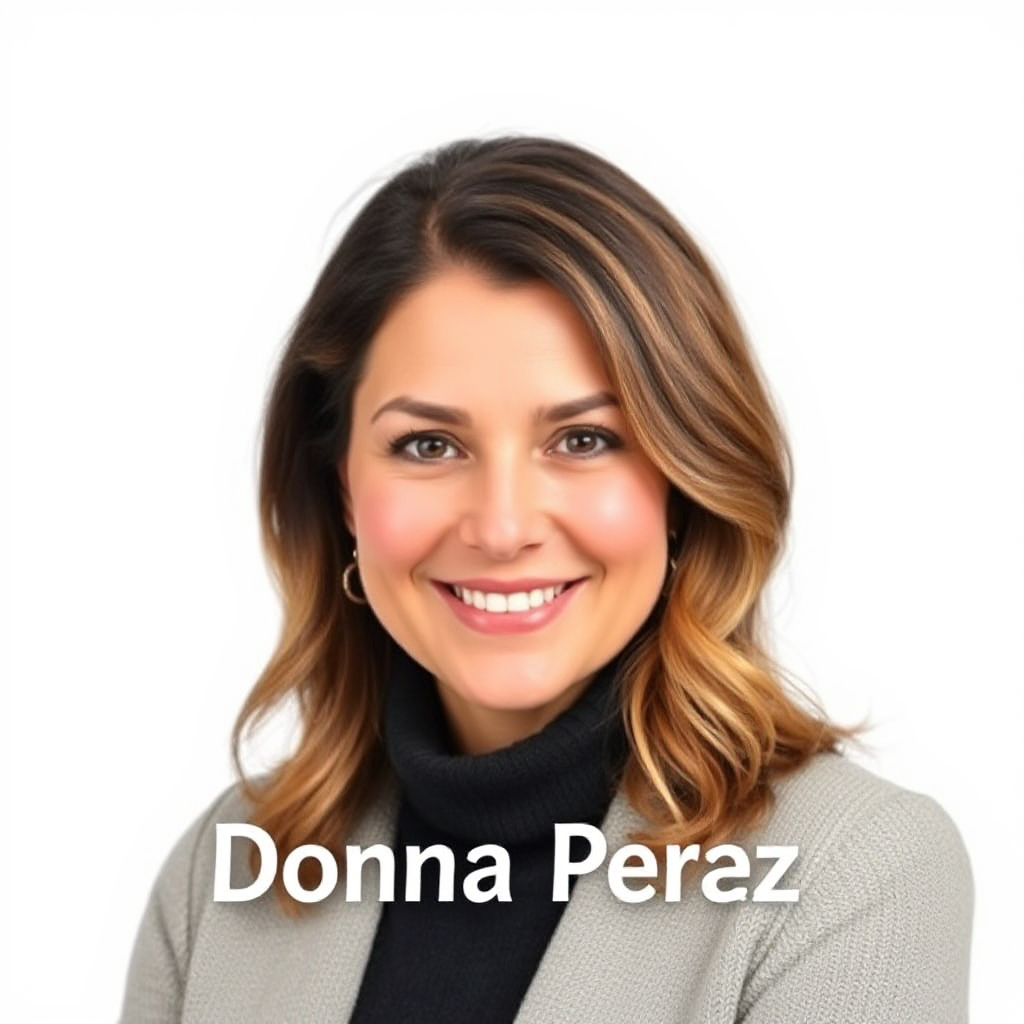
At times, healthcare worker Lorna Grinnell-Moore has the receiver hung up abruptly. Often, she must hear to various far-fetched conspiracy theories and, in a particular instance, she remembers being shouted at.
"It's certain there will be ones like that, who just don't want to hear, and you feel you've failed."
But this is all part of the daily work for Lorna. Her role involves calling parents whose kids are overdue for measles, mumps and rubella (MMR) vaccinations in an effort to convince them to get immunised. Low vaccination rates mean the disease has been able to spread in the city, mainly among children below the age of ten.
A Proactive Response
Lorna's been here before - she was a member of a group of health service staff that placed thirteen thousand calls in just three months after a surge in measles cases in late 2023 involved many pediatric cases. These conversations alone led close to a thousand formerly unsure guardians and adolescents to opt for vaccination.
Across parts of London, which is currently experiencing a measles outbreak, officials are looking to strategies from Birmingham for ways to get a grip on it. Fifty cases have been reported up to now, mostly in small children, some of whom have been admitted to hospital.
Leveraging Veteran Staff
In the 2023 Birmingham incident, some retired medical professionals were returned to service, like they had been. On this occasion, however, rather than giving injections, they were assigned to encourage people to get them.
The team was tasked with placing follow-up calls to families and people in the under-25 bracket to address the barriers preventing them receiving the immunization against a disease that can have grave complications - encompassing brain inflammation and vision impairment and, infrequently, death.
Currently, Lorna, clinical service lead for vaccination, and a team of nurses have been brought on to resume telephone outreach as there is another uptick in measles.
Navigating Difficult Conversations
This is challenging work. A particular technique is needed which entails careful hearing and attempting to comprehend the caller.
"Once I get a handle on their perspective, I can then answer their questions," explains Lorna. "Sometimes they listen, and other times they state they are finished talking."
"The goal isn't to act like an authoritarian figure."
If people are prepared to keep discussing, Lorna feels she can then address their concerns or anxieties about the vaccine and aid in reducing them.
Rules and Resources
The guideline is a maximum of three contacts. A further protocol discourages message-leaving due to potential confusion. Team members proficient in a range of tongues, like French, Italian, Arabic, or Urdu, can help with making calls when English isn't a person's first language.
Alongside the phone service, the collaborative outbreak team also runs an public awareness drive and works with local community groups.
Tangible Results
The comprehensive campaign has had a real impact. During 2024, a supplementary seven thousand jabs were completed – and the overall vaccination count was 20 percent greater than the prior period.
In particular, there had been lower vaccine uptake among particular demographic groups, such as Roma, Eastern European, South Asian, and Black communities.
Communication obstacles were tackled by expanding the resources available in multiple languages, including publishing QR codes linked to videos detailing the advantages, in conjunction with conventional public signage.
Local Clinics Take Action
A number of primary care clinics have also begun undertaking their own outreach initiatives. One of those is Hall Green Health, which has advanced the approach by offering GP appointments to parents who are hesitant so they can discuss their concerns in person with a GP.
"I think we have become complacent about the true severity of measles," says partner Dr Sonia Ashraf.
She explains that multiple various reasons that lead to reluctance. The fact MMR contains pork gelatine is one thing they see, yet this can be simply addressed by supplying the type of the jab that is free from gelatine.
Long-refuted data from the 1990s falsely associating MMR with autism also gets brought up, while some parents also worry about the number of routine vaccines offered to children. By the age of four, they will have been offered immunization on half a dozen occasions.
"Certain guardians wonder why children need so many or feel their offspring can naturally fight off these infections," continues Dr. Ashraf. "We dedicate time to presenting the facts with them – falsehoods are prevalent out there."
Resource Constraints and Prospects
The call-and-recall support has since been offered to other GP practices. But because of stretched budgets, it is something that can only be done on a limited basis. In 2025, uptake figures fell once more to earlier, lower levels, leaving the city still well below the 95 percent target needed for herd immunity.
But while there have been spikes in infection, there has been nowhere near the scale of cases that were seen in the past outbreak, when confirmed cases exceeded 500.
Leon Mallett, says the outreach approach "works very well" but "not a cure-all" and needs to be combined with other strategies. Ideally, he says it would be implemented more broadly but more resources are necessary.
Current funding for the calling system is secured until the conclusion of the current fiscal period.
Countrywide Challenges
Birmingham is not the only area to use this technique. A number of other places have undertaken analogous programs.
However, improving rates countrywide has proved difficult. At present, under 85 percent of children have had two doses by the age of five.
"It poses a significant problem," explains a professor. "The reasons for not getting vaccinated are complex and different. A point commonly missed is practical availability. For


